Preparation Guide
How to Prepare Your Machine for a Move
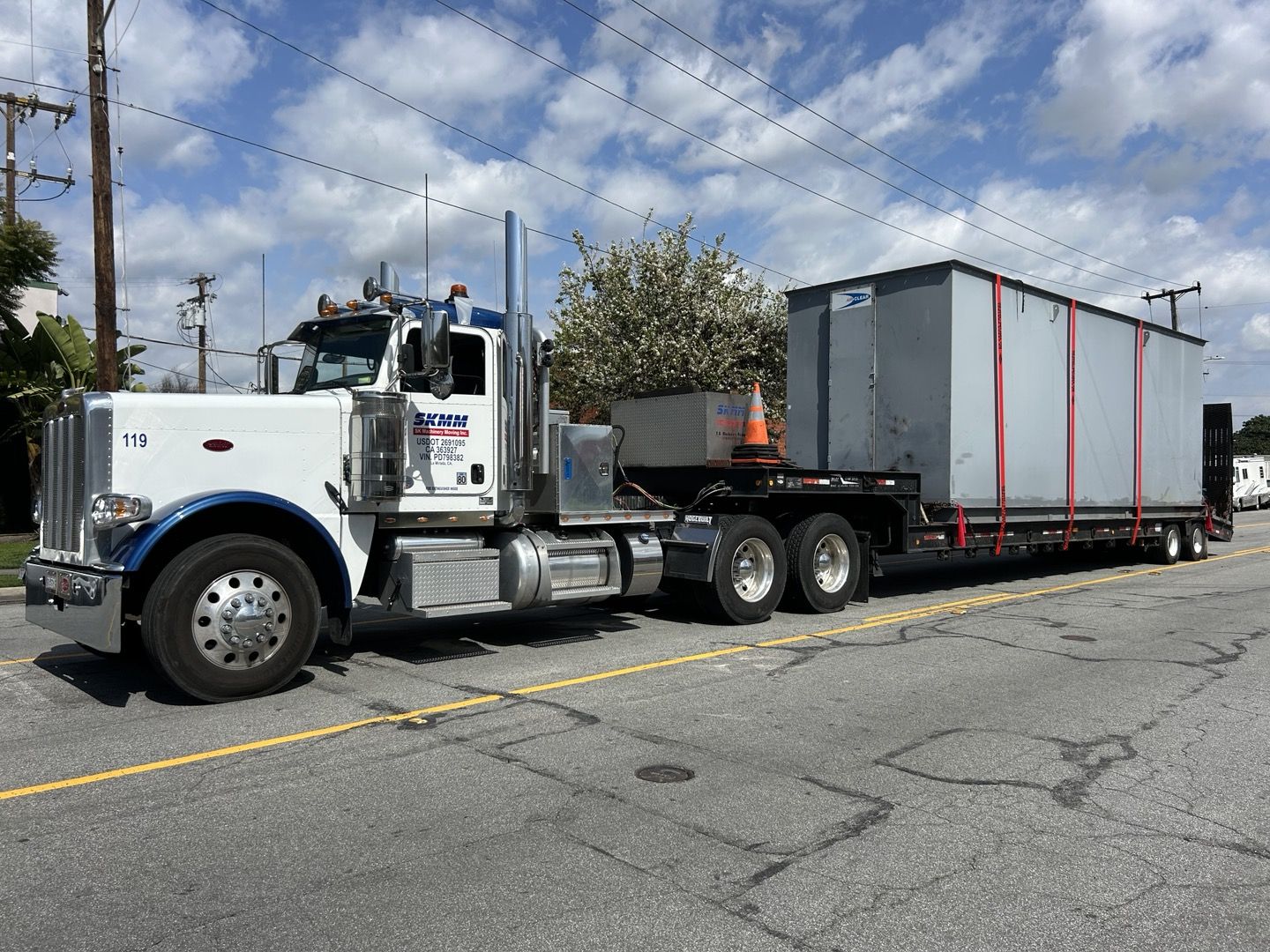
Moving heavy industrial machinery goes far more smoothly when the equipment is properly prepped before the crew arrives. Good preparation protects your machine, keeps everyone safe, and shortens the time your production line is offline. Use the checklist below to get ready — and when in doubt, ask us; we're happy to guide you.
Short on time? The three things that matter most: (1) power everything down and disconnect utilities, (2) drain or secure fluids, and (3) remove or lock down loose and fragile parts. Everything else builds on those.
1. Gather your documentation
Before anything is unplugged, pull together the paperwork that makes reassembly painless at the new site:
- The machine's manual and any installation or leveling specifications
- Wiring, plumbing, and air/steam connection diagrams
- Photos of the current setup — cables, hoses, and settings — before you disconnect anything
- Model and serial numbers (you'll need these for your moving quote, too)
2. Power down and disconnect utilities
Safely de-energize the equipment and disconnect services. For many machines this should be done by a licensed electrician, plumber, or HVAC tech:
- Shut off and lock out electrical power (follow lockout/tagout procedures)
- Disconnect water, drain, compressed air, gas, and steam lines
- Cap or plug open lines to prevent leaks and contamination
- Coil and label cables and hoses so reconnection is quick
Disconnecting and reconnecting utilities is the customer's responsibility — please have your licensed electrician, plumber, or HVAC tech handle it before and after the move. We'll gladly coordinate timing so everything lines up on moving day.
3. Drain or secure fluids
Fluids are one of the biggest risks during a move. Depending on the machine, you may need to:
- Drain solvents, oils, coolants, dyes, or water to safe levels
- Dispose of or store fluids according to local regulations
- Seal reservoirs and tanks so nothing sloshes or spills in transit
4. Remove or lock down loose & fragile parts
Anything that can shift, swing, or fall should be secured before the move:
- Remove detachable tooling, trays, spools, needles, and accessories; box and label them
- Lock down or brace moving heads, carriages, tables, and doors
- Protect screens, gauges, and control panels with padding
- Retract or secure any extended arms or platforms
5. Clear the path and confirm access
The move is only as easy as the route. At both the pickup and delivery sites, check:
- Doorway widths and heights, hallways, and turning space
- Stairs, ramps, elevators, and loading docks (and weight limits)
- Floor load ratings — especially for upper floors
- A clear, unobstructed path from the machine to the truck
- Parking or staging space for the moving vehicle
6. Measure and photograph for your quote
Accurate measurements and clear photos let us quote precisely — no on-site visit needed:
- Length, width, height, and weight of the machine
- Photos from several angles, plus close-ups of any fragile areas
- Photos of the access route: doorways, stairs, docks, and the loading area
Ready to move? Send your photos and dimensions through our quote form and we'll return a clear, itemized price — usually within 48 hours.